





Hantavirus: understand it, protect yourself, without panic
What is Hantavirus?
- The term refers to a group of viruses belonging to the Bunyavirales order (create a link to the image Viruses-08-0016-g001-Paint).
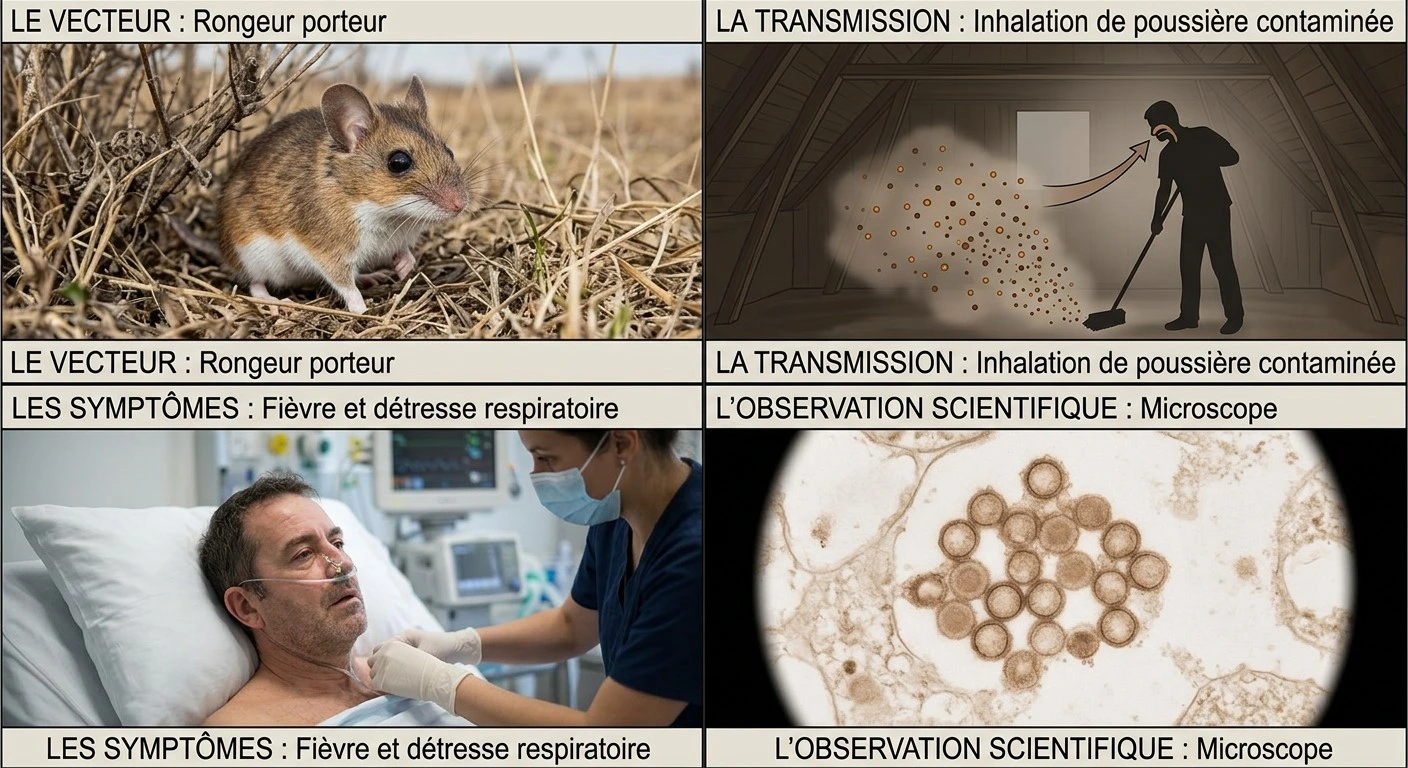
- Main transmission: contact with rodent droppings, urine or saliva, or inhalation of contaminated particles.
- Potential health effects: respiratory or kidney infections in some cases, with varying incubation periods.
- Important: the risk for the general public remains low, but there are higher-risk situations in rural environments or during cleaning work in infested areas.
How is it transmitted?
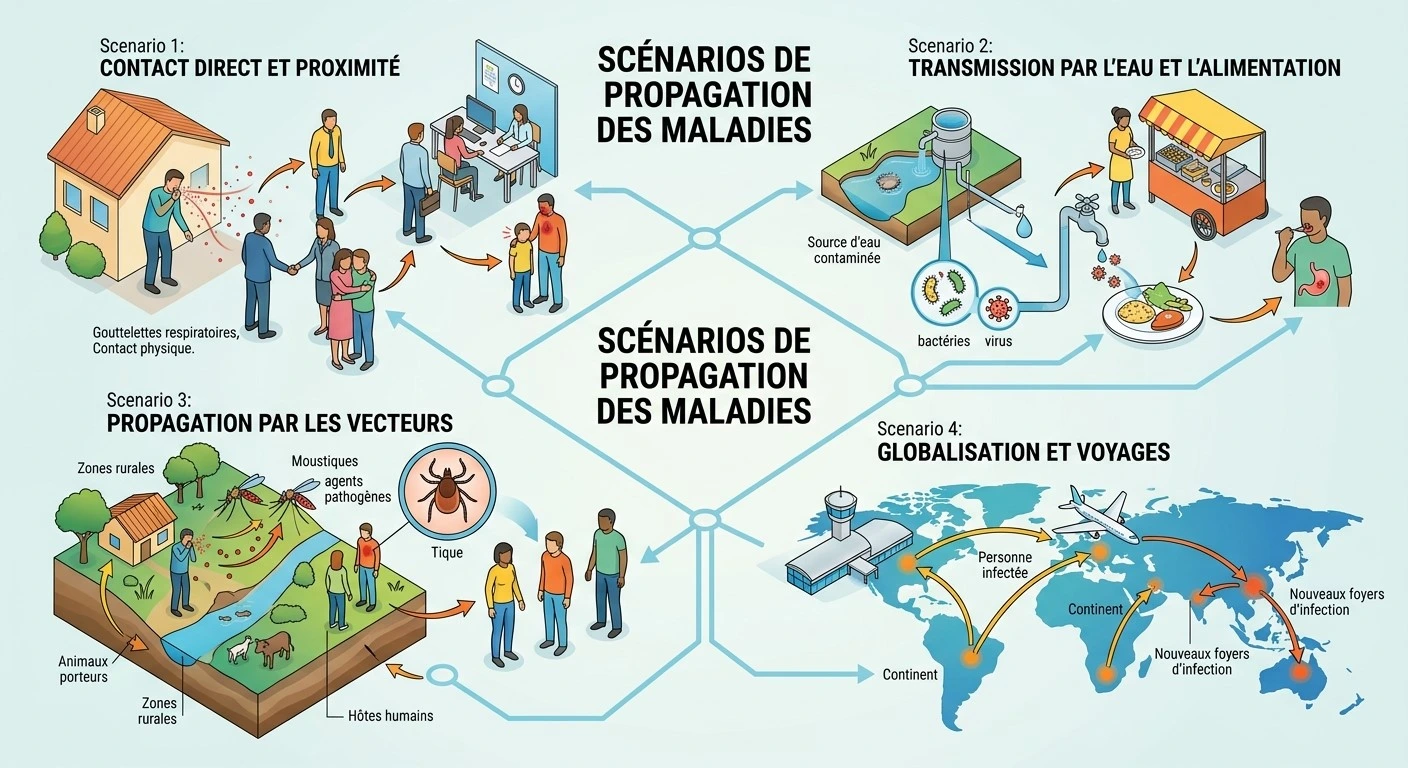
- Main carriers: domestic and wild rodents (common in certain areas).
- Typical transmission: inhalation of particles found in droppings/urine or direct contact with contaminated materials.
- Please note: for most common forms, there is no human-to-human transmission.
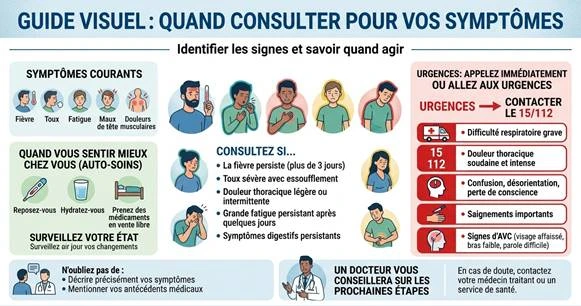
Symptoms and when to seek medical advice
- Possible early symptoms: fever, fatigue, muscle aches, headaches.
- Signs requiring medical attention: persistent symptoms or signs suggesting a serious infection, especially after exposure to potentially contaminated areas.
- Important: this text does not replace medical advice.
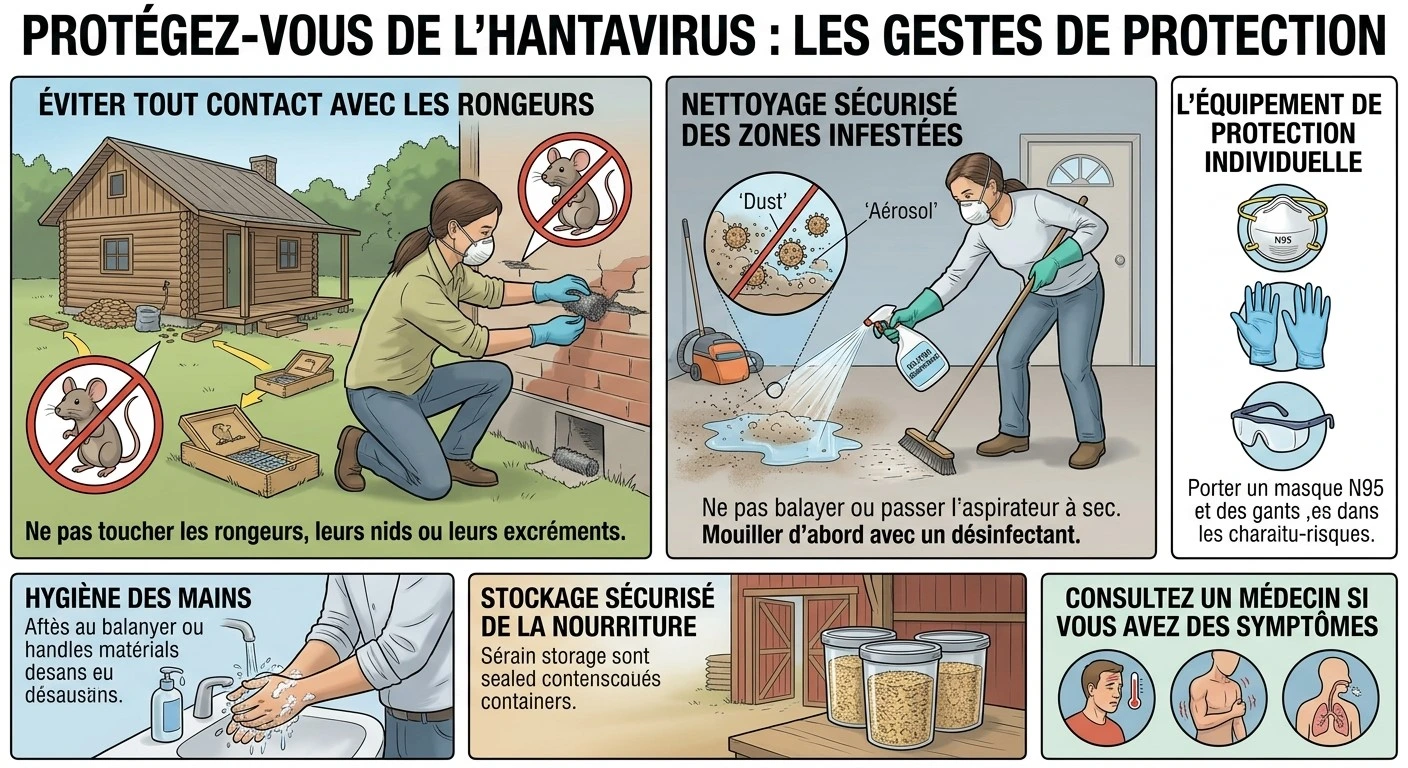
Protective measures and preventive actions
- Prevent rodent habitats (proper food storage, sealing entry points, regular maintenance).
- In case of rodent presence: avoid direct contact with their traces; wear simple protective equipment during cleaning if necessary (gloves, mask depending on the situation, protective glasses).
- Safe cleaning: moisten surfaces before cleaning to avoid dust, use damp wipes or cloths, dispose of waste in sealed bags, and wash hands after cleaning.
- General hygiene and home prevention: store food properly, reduce water and food sources for rodents, and regularly inspect premises.
Hantavirus is a group of viruses mainly transmitted by rodents. Transmission mainly occurs when particles from their droppings, urine or saliva become airborne, for example while cleaning areas where rodents have been present. The risk for the general public remains low, but exposure may occur in certain situations, particularly in rural environments or during cleaning work without basic precautions.
To reduce this risk, adopt simple and effective preventive measures:
- Protect yourself when cleaning potentially contaminated areas: wear gloves and, if necessary, an appropriate mask and protective glasses.
- Moisten surfaces before cleaning to avoid spreading dust.
- Clean using damp cloths and dispose of waste in sealed bags.
- Store food in closed containers and keep premises clean and away from food sources that may attract rodents.
- Wash your hands after every cleaning session.
- If you experience symptoms after possible exposure (fever, fatigue, muscle pain), seek medical advice promptly.